
Anari recipes
Anari is the soft, mild whey cheese of Cyprus, made from the whey left after halloumi. Fresh, it fills pastries and ravioli and is eaten with honey; dried, it is grated over pasta like a salty hard cheese. Here are the sweet and savoury ways we use it.
69 recipes
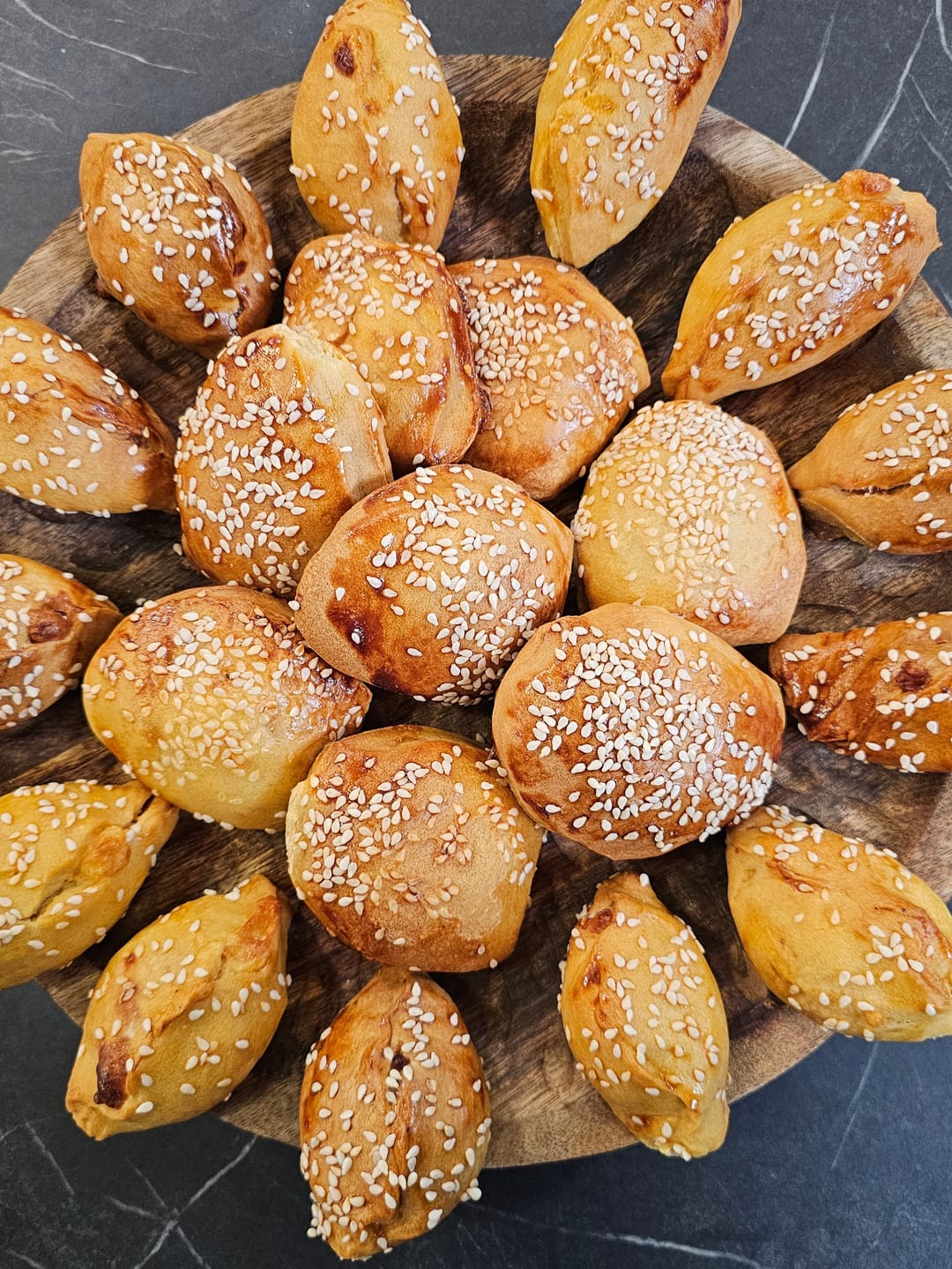
Cheese Pies / Soufflé
DOUGH & SAVORY
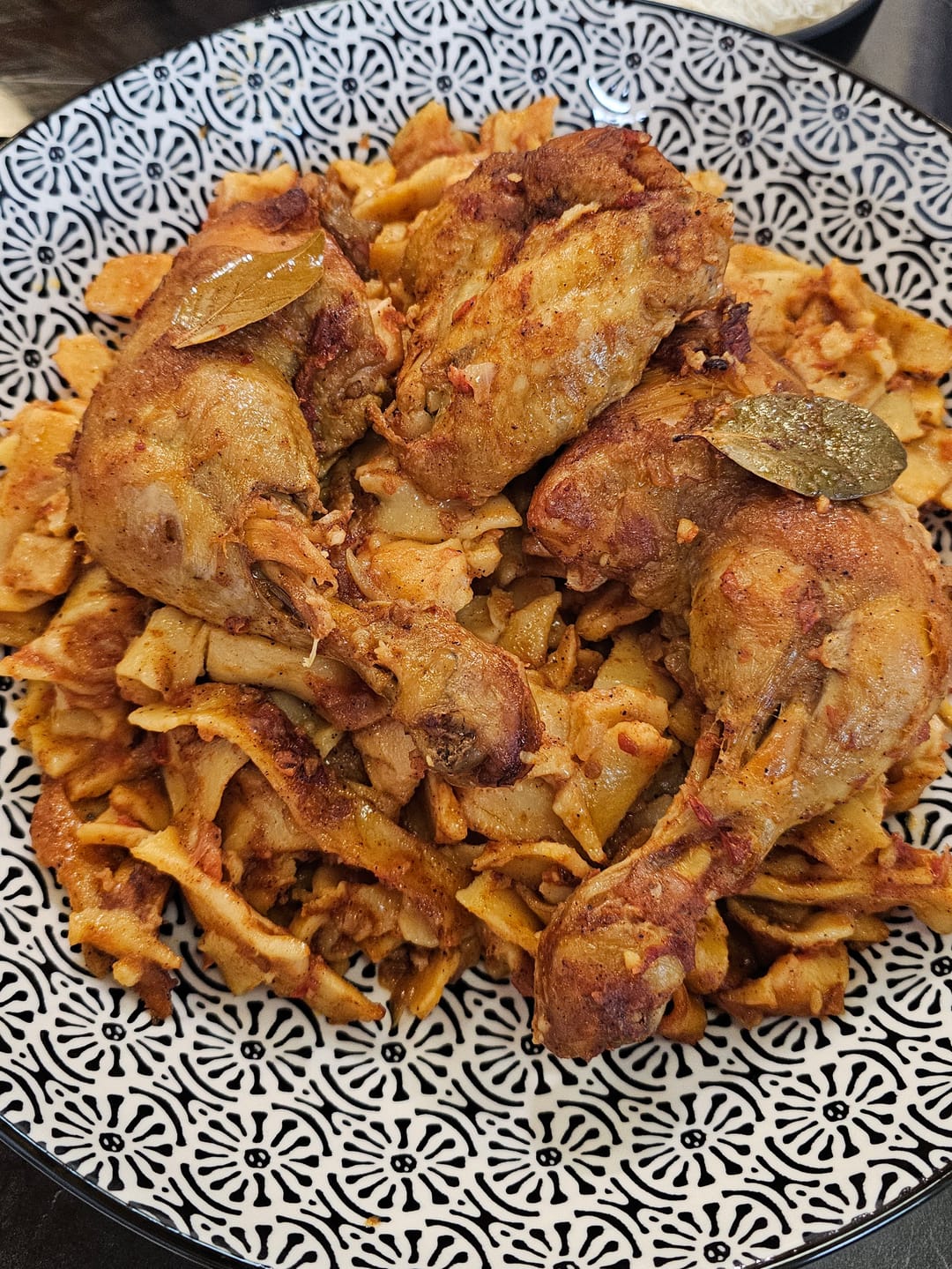
Hilopites (Pasta) with Rooster in Red Sauce
MAIN DISHES

Czech Buns
DOUGH & SAVORY
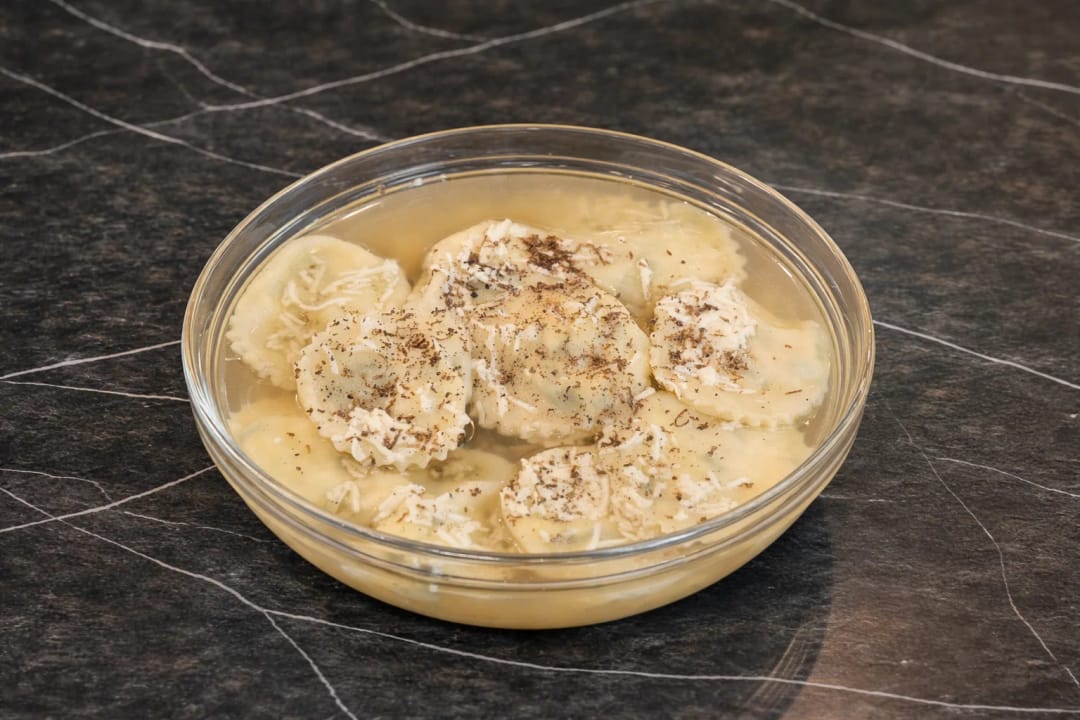
Ravioli
MAIN DISHES
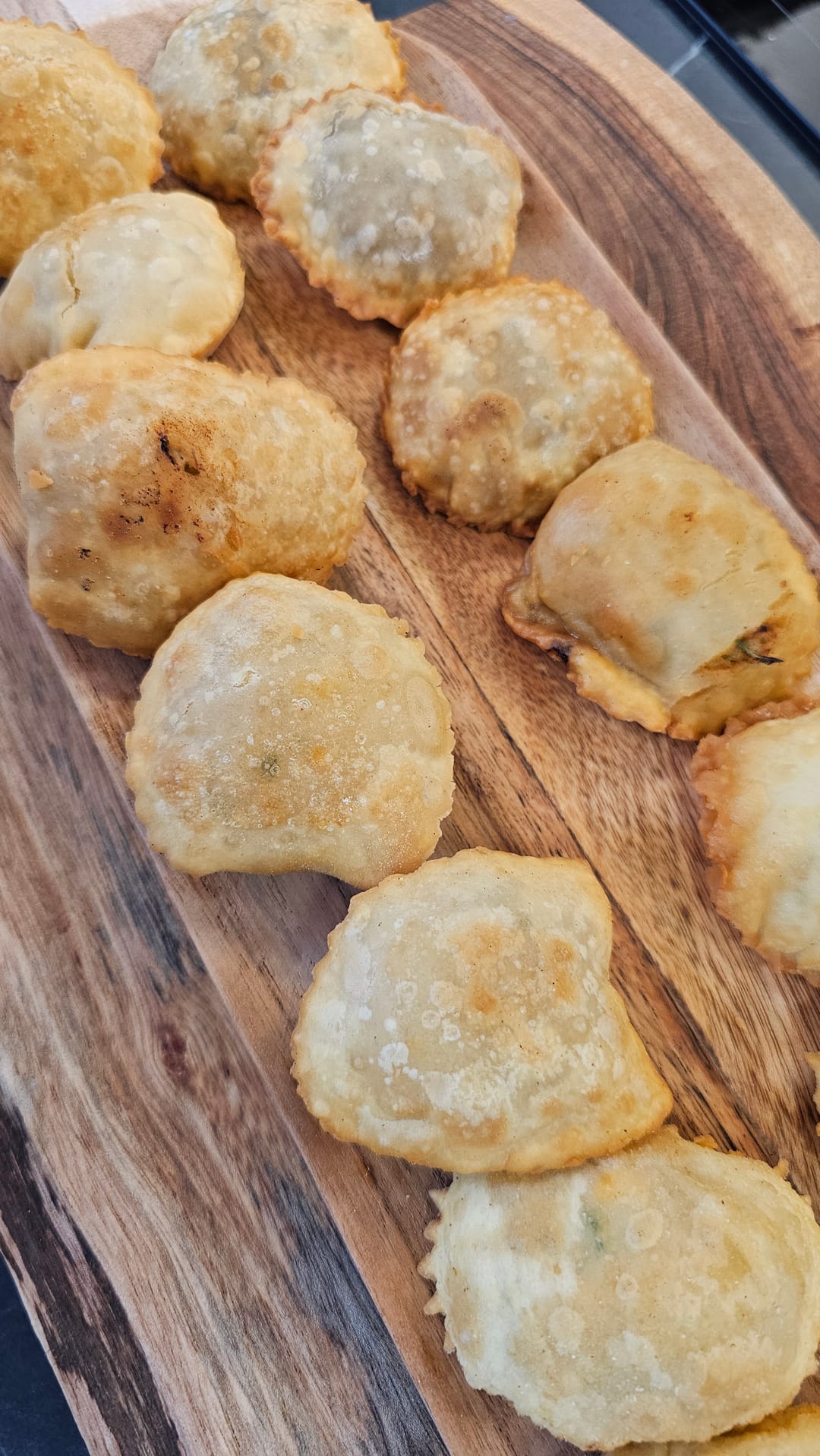
Pourekia (Stuffed Pastries)
DESSERTS

Anaropites (Anari Cheese Pies)
DOUGH & SAVORY

Twisted Anari Spirals
DESSERTS
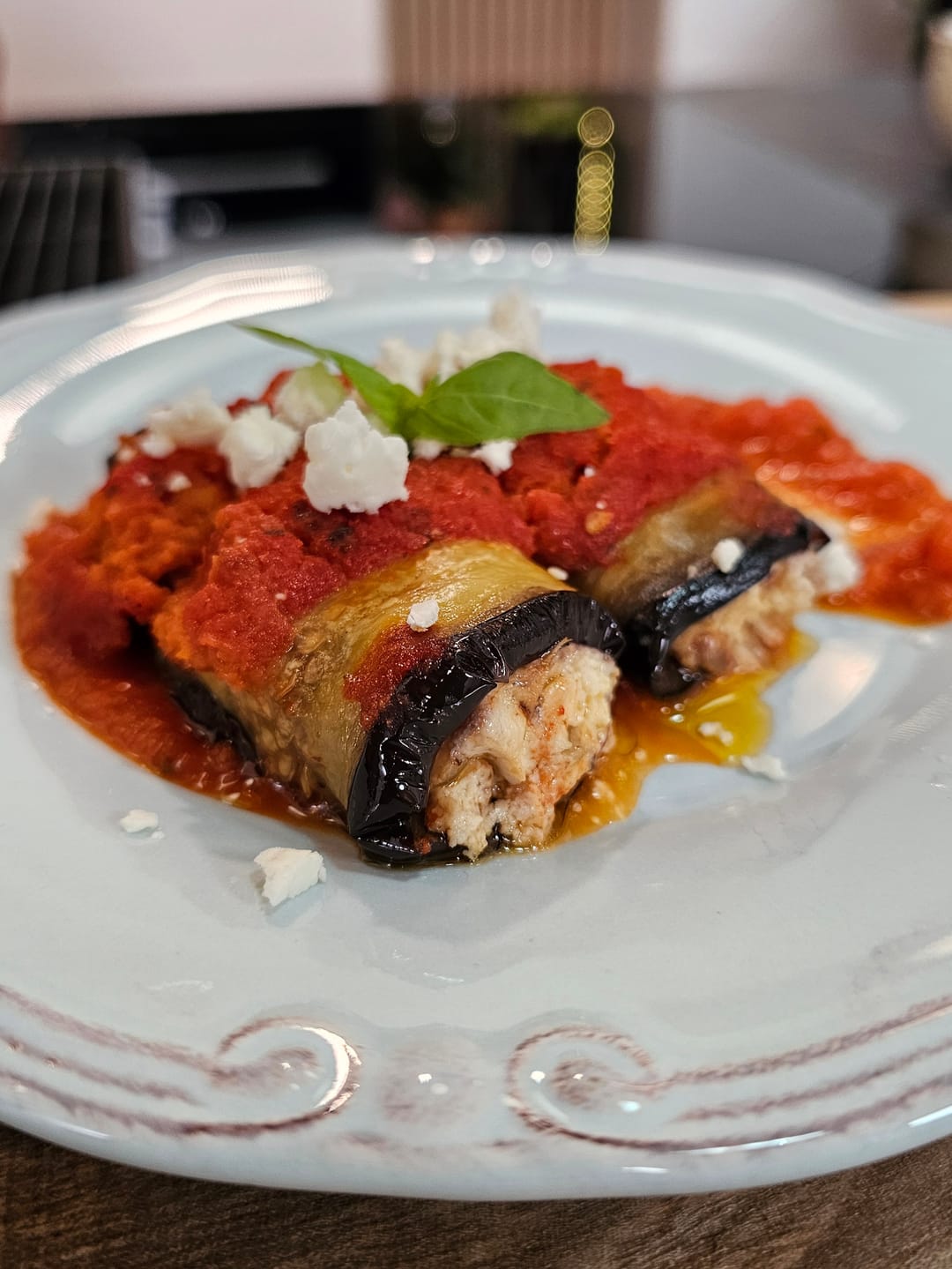
Eggplant Rolls with Cheeses
MAIN DISHES
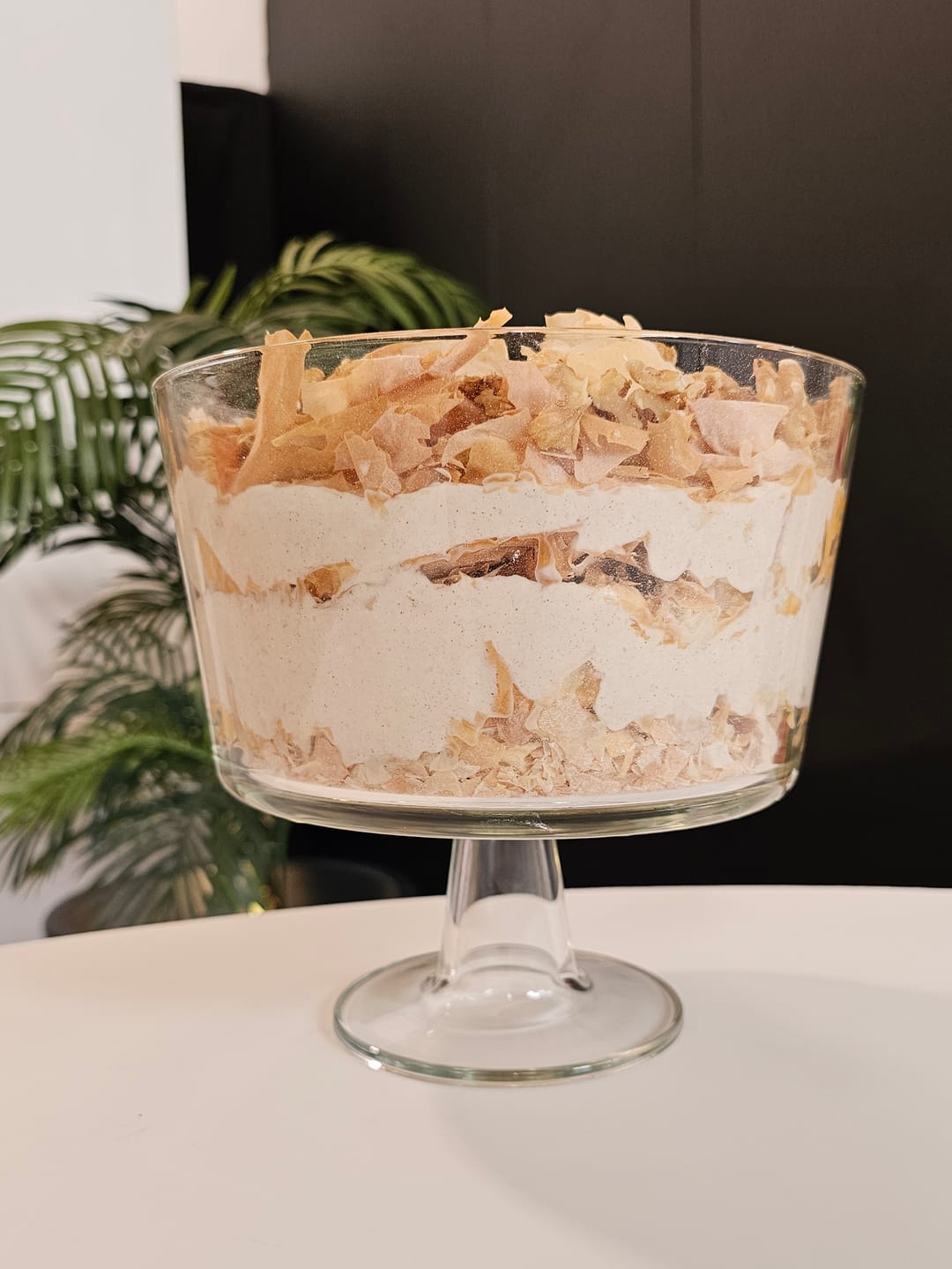
Anari Cream with Crispy Phyllo
DESSERTS

Stuffed Zucchini Blossoms with Cheeses
MAIN DISHES
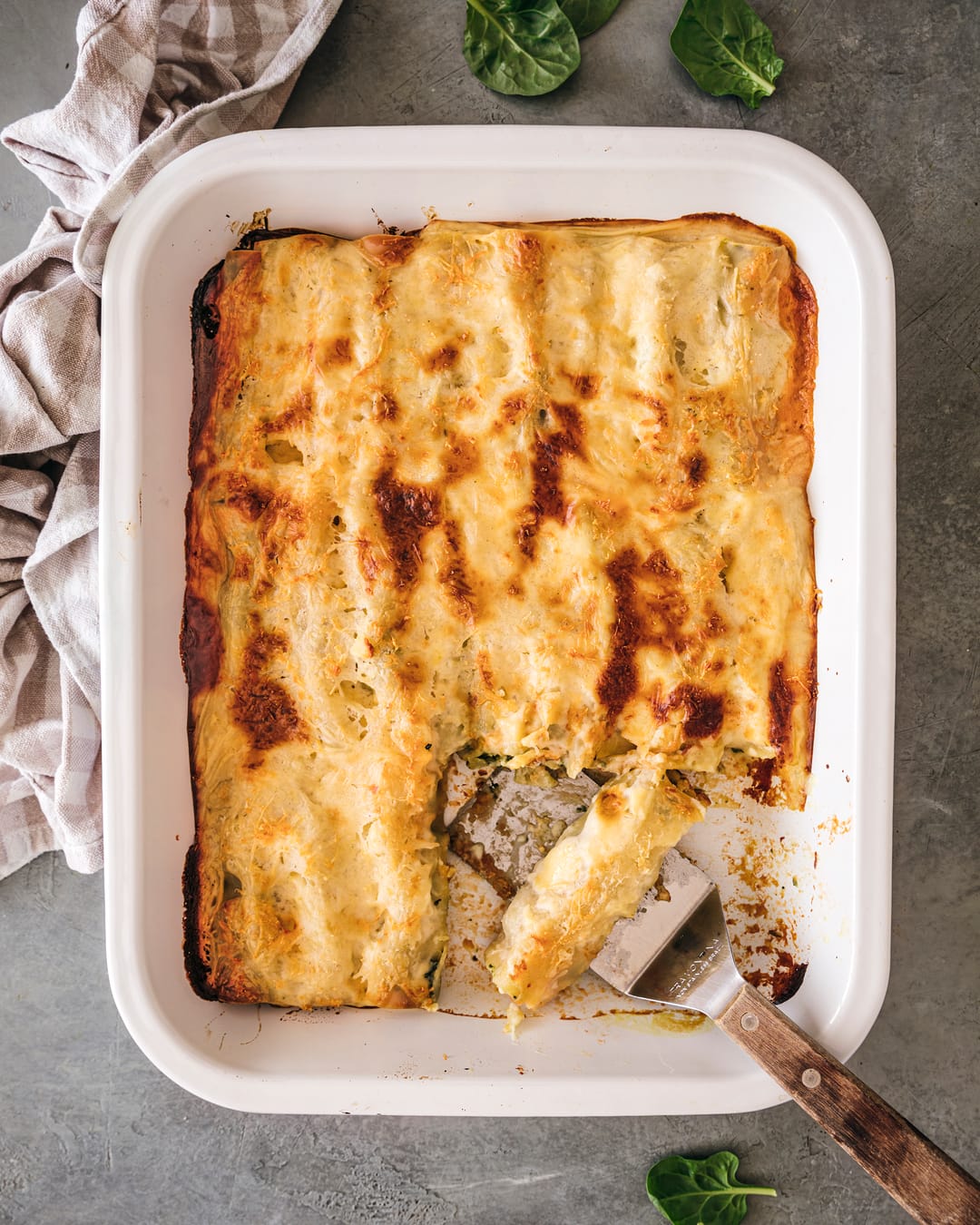
Cannelloni with Spinach and Béchamel
MAIN DISHES
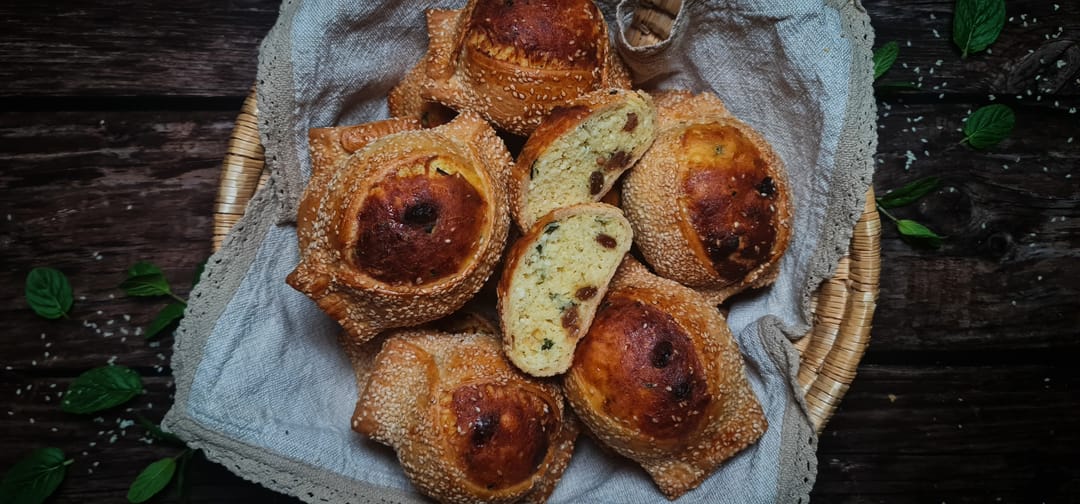
Flaounes with Anari Cheese
DOUGH & SAVORY
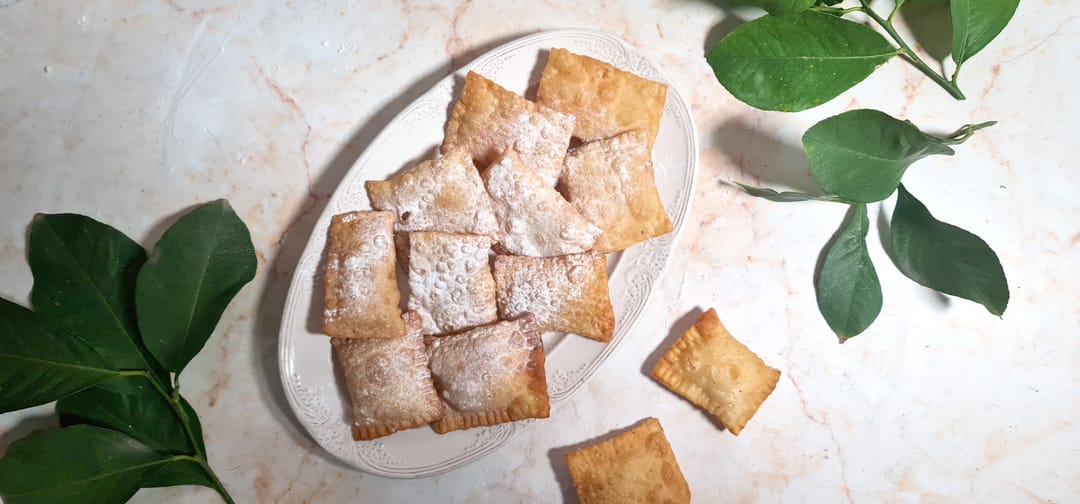
Pourekia with Anari Cheese
DESSERTS
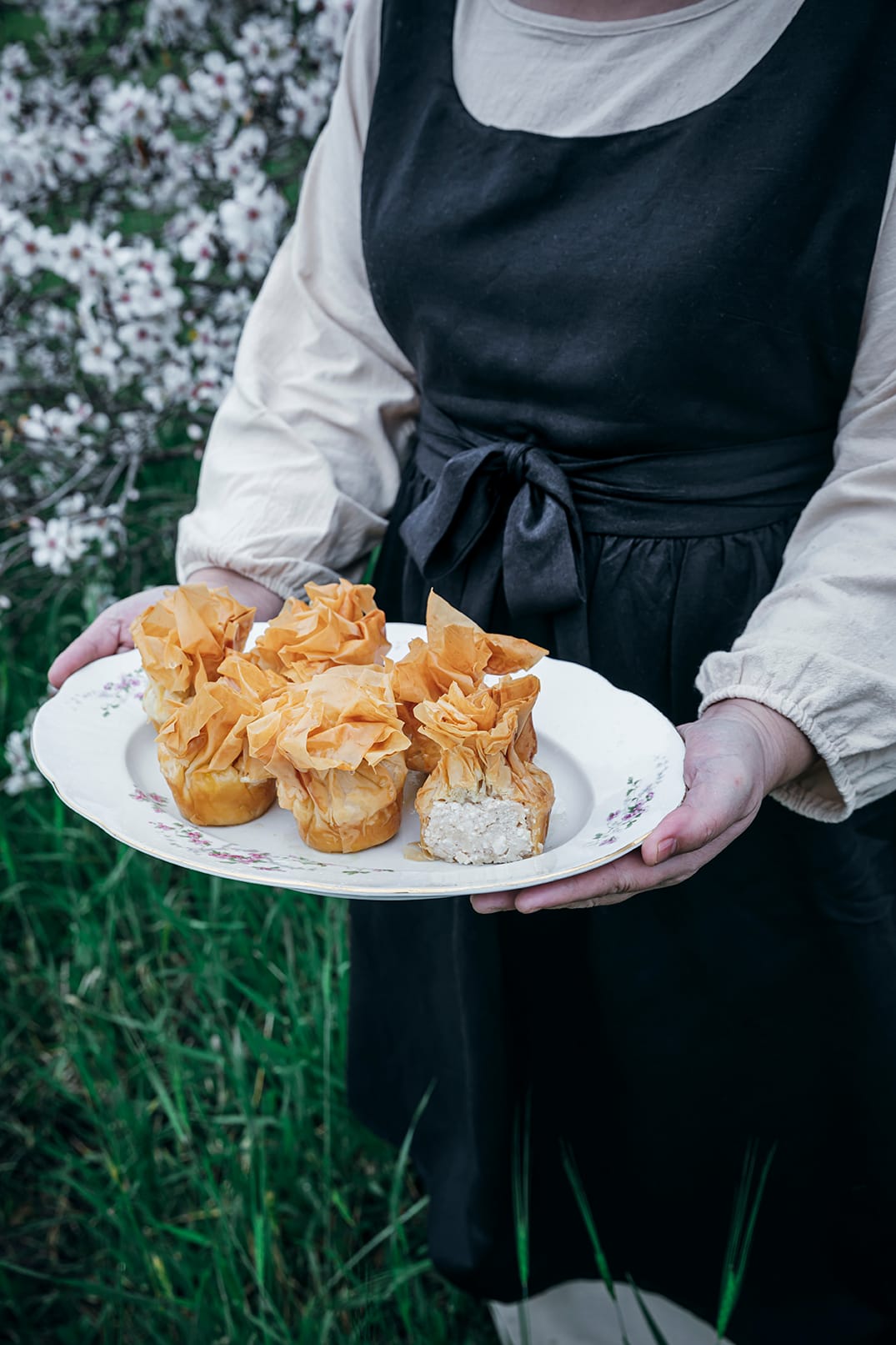
Pouches with Aromatic Unsalted Anari Cheese
DESSERTS
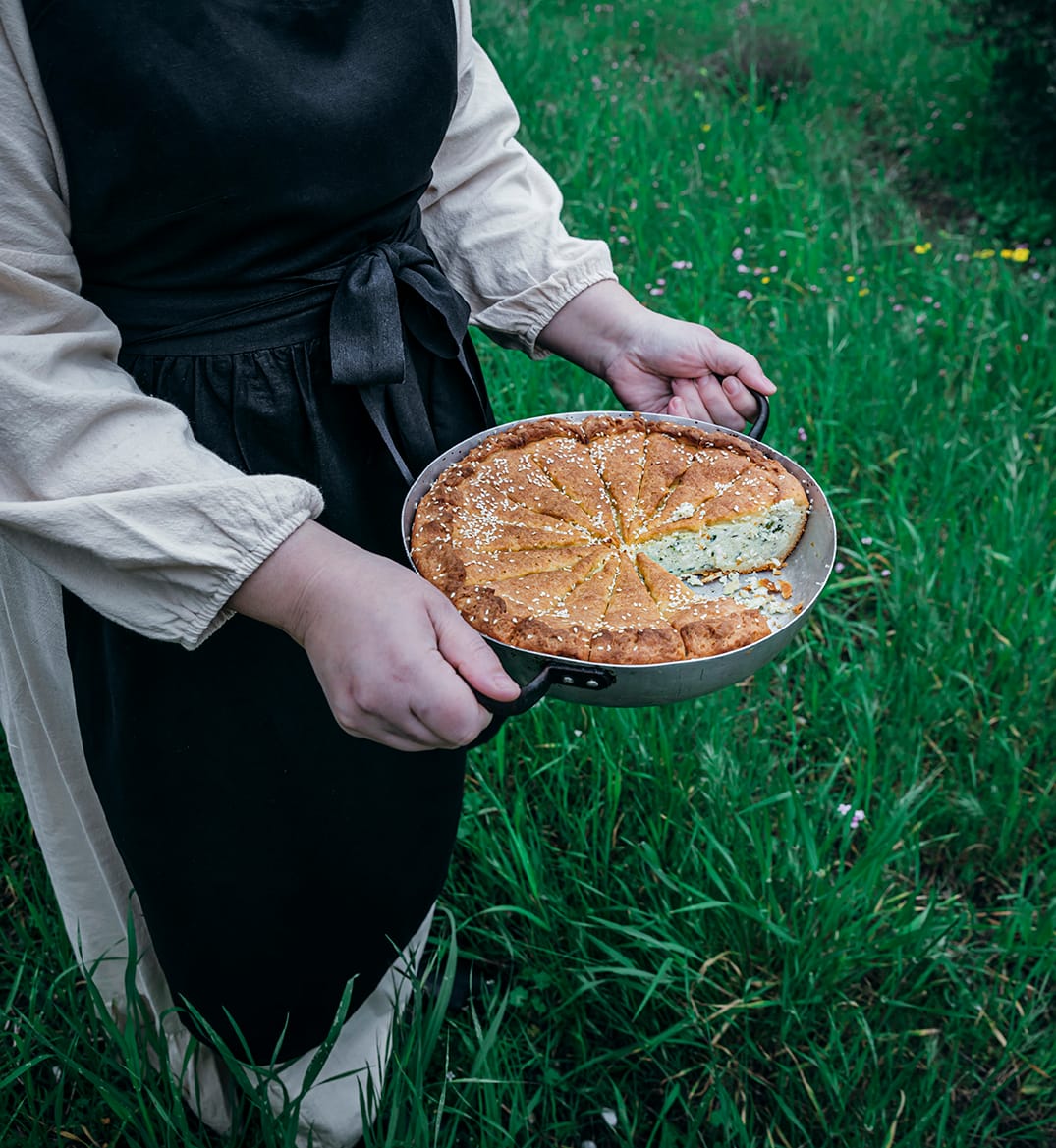
Anaropita (Cypriot Cheese Pie)
DESSERTS
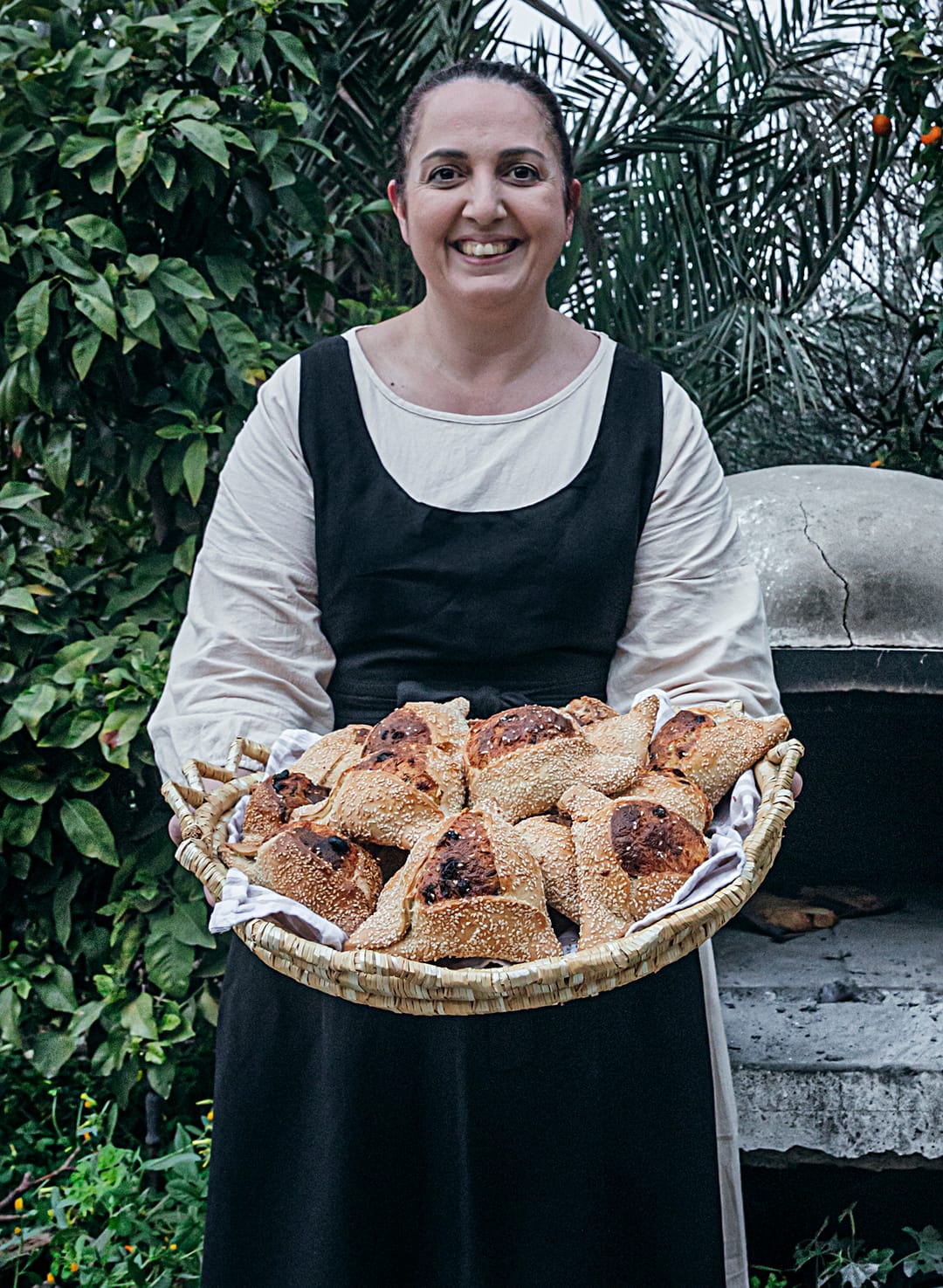
Traditional Flaounes from the Wood-Fired Oven
DOUGH & SAVORY
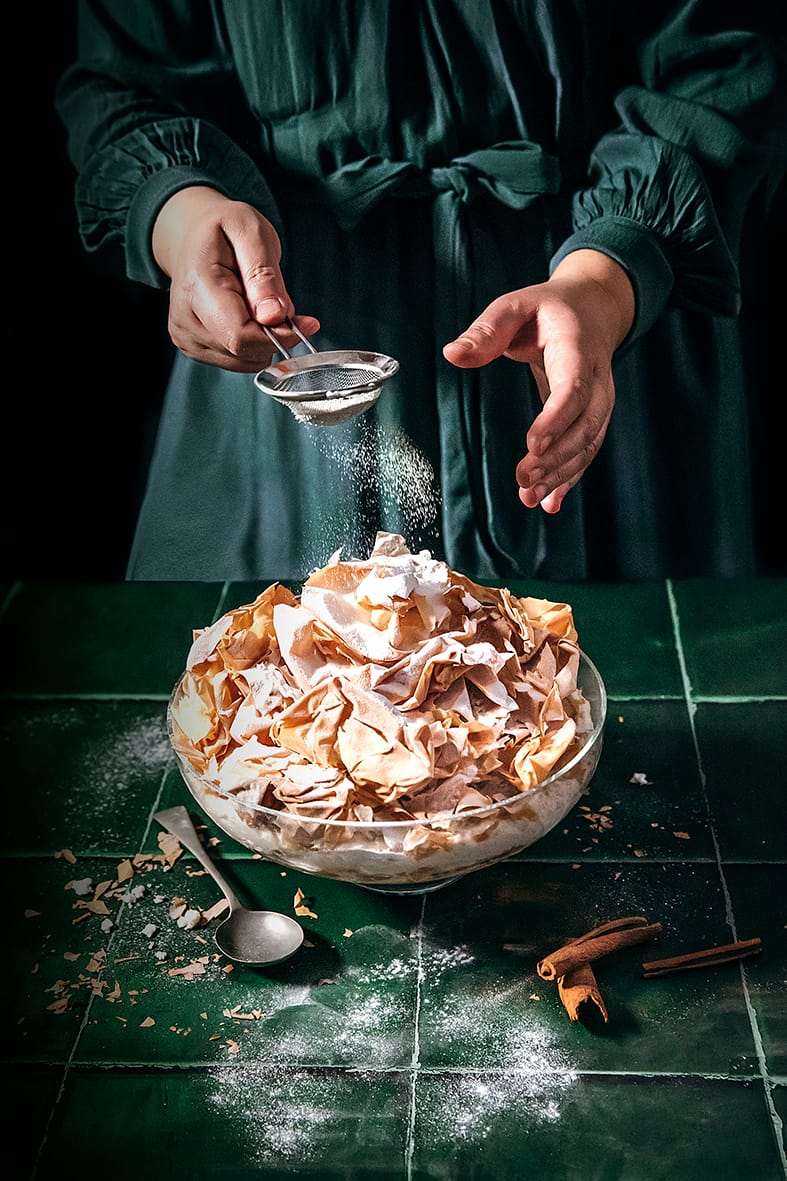
Anari Cream Dessert
DESSERTS
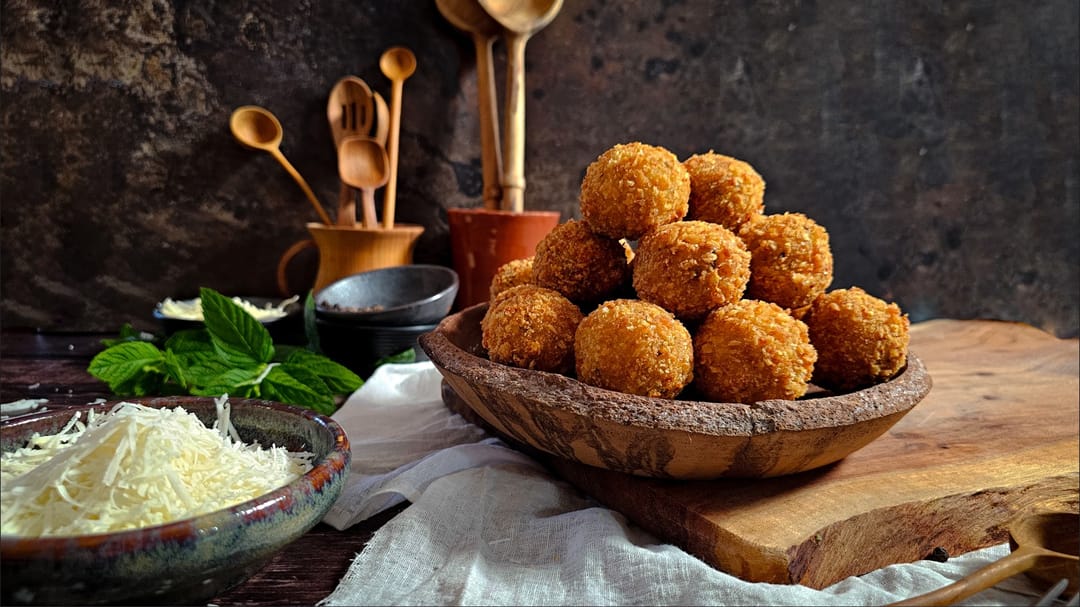
Halloumi Cheese Croquettes
MAIN DISHES
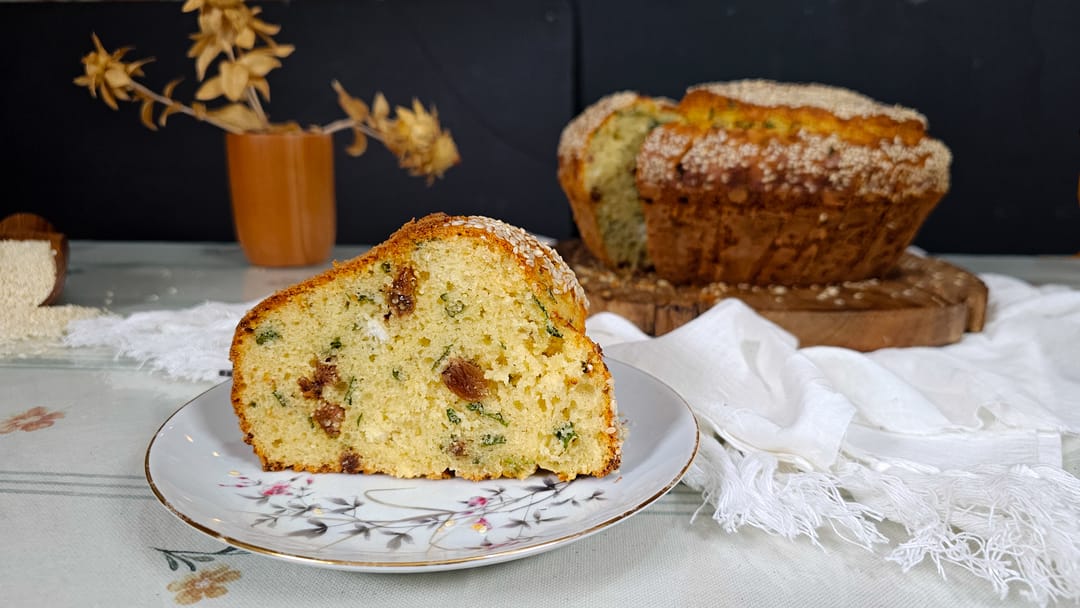
Flaouna Cake
DESSERTS
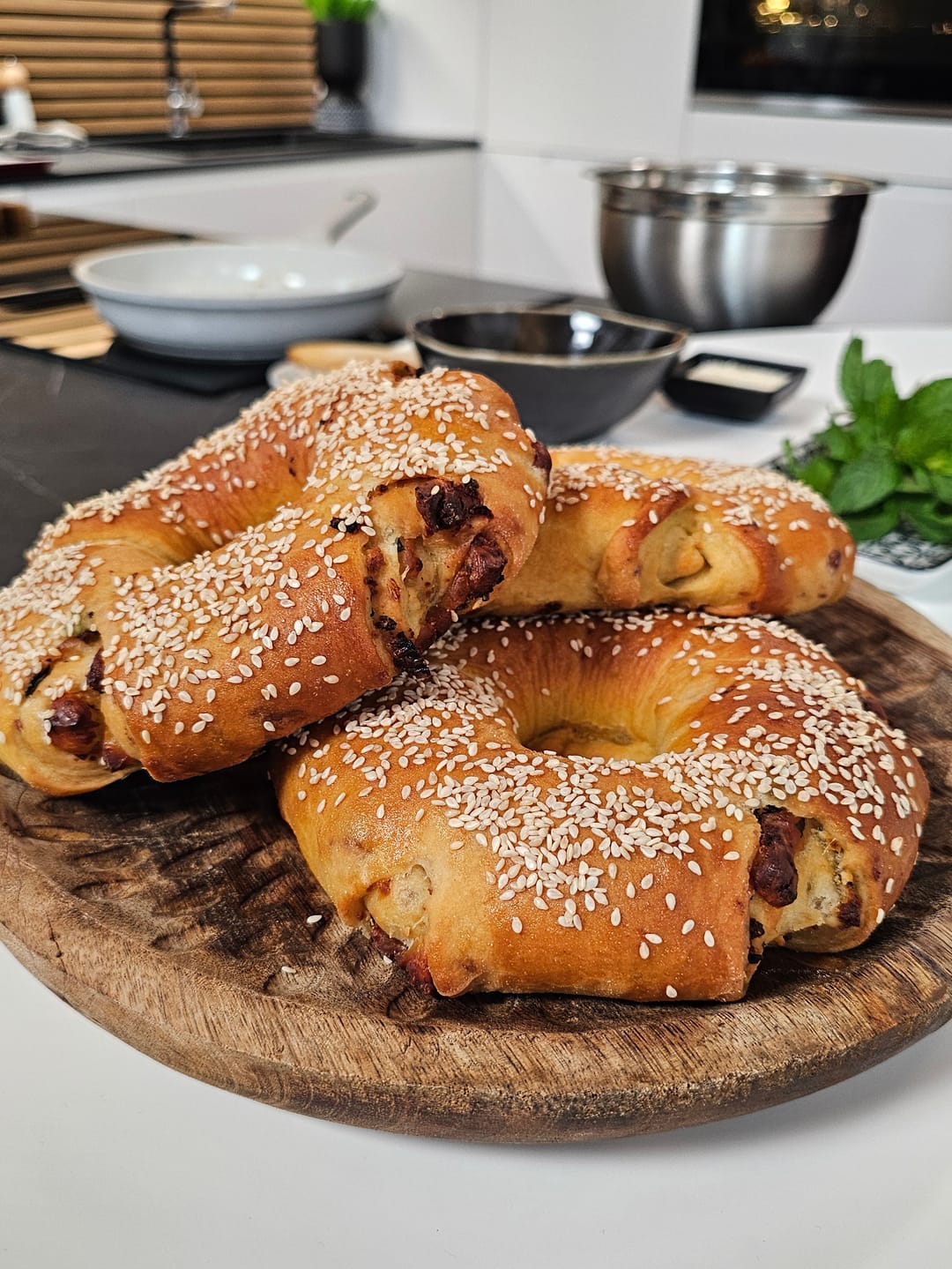
Halloumotis (Stuffed Bread Rolls)
DOUGH & SAVORY
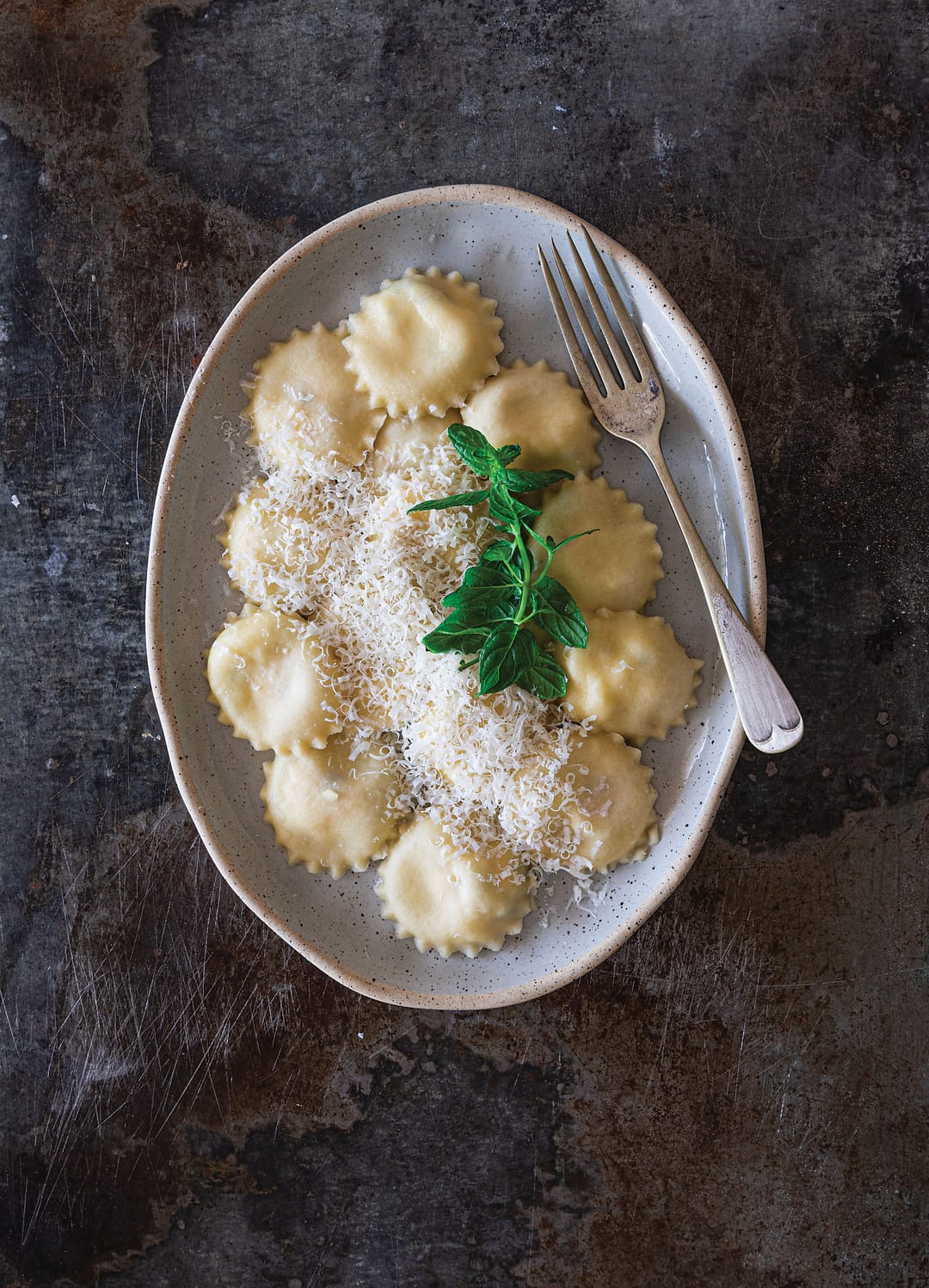
Ravioles (Cypriot Ravioli with Halloumi and Anari Cheese Filling) - Aunt Pepa's Recipe from Kapedes, 2019. I have admired her cooking skills since I was a little girl. Her meals and desserts were always more than just delicious. I still remember her creamy puddings and fragrant cakes. I tell her this often, and she smiles at me just like she did when I was a child. Life has a funny way of bringing things full circle, and here I am now, sitting in her kitchen chair with my notebook open, ready to learn how she makes her famous, mouth-watering ravioles. Tips: NOTES FROM CYPRIOT GASTRONOMY: • Ravioles were traditionally made during Cheesefare week. In some regions, they were filled only with fresh unsalted anari cheese. • Ravioles, which originate from Italian ravioli, are a cultural legacy left by the Venetians on our island. • Some housewives, like Mrs. Androula Kefala, add a little fine semolina to the dough, which makes it easier to roll out and tastier when cooked. A secret I have adopted as well. Ingredients: For the dough: 2 ½ cups (375g) village-style flour, ½ cup (95g) fine semolina, 1 tsp (8g) salt, 1 cup (250ml) lukewarm water. For the filling: 2 cups (200g) halloumi, preferably mature, finely grated, 1 cup (165g) fresh unsalted anari cheese, crumbled, ⅓ cup (12g) fresh mint, finely chopped, or 1 tbsp (3g) dried mint, 2 eggs (medium). For boiling: 3 liters water, 2 vegetable bouillon cubes, 1 tsp (8g) salt. For serving: Grated halloumi. Methods: Preparing the dough: 1. In a bowl or mixer bowl, combine the flour, semolina, and salt. Mix and gradually add the water. 2. Knead until you have a soft and elastic dough. 3. Shape into a ball, wrap with plastic wrap, and set aside for 30 minutes to rest. For the filling: 1. In a bowl, combine the halloumi, anari, mint, and eggs. Mix until well combined. Divide the dough into 3 equal pieces. 2. Dust your work surface with a little flour and place one piece of dough on it. Dust with a little more flour and roll it out with a rolling pin into a large, thin sheet about 2mm thick. If you prefer, you can use a pasta machine. My machine settings range from 1 (thickest) to 7 (thinnest); I personally roll it to 5 or 6. Using a teaspoon, place small portions of filling along the length of the sheet, leaving 3-4 cm of space between them. Fold the sheet over to cover the filling. 3. Cut the ravioles using a cookie cutter or a special round ravioli cutter with a 5 cm diameter, or even a small glass. To make cutting easier, dip the tool in flour. Press down to cut evenly. Place the ravioles on a tray lined with a towel and dusted with a little flour. Repeat until all ingredients are used. For boiling: 1. In a pot, add the water and once it warms up, add the bouillon cubes and salt. 2. Stir and bring the water to a boil. 3. Add a batch of ravioles and boil until they rise to the surface, about 4-5 minutes. For serving: 1. Serve with plenty of grated halloumi. Some people also like to sprinkle them with a little dried mint. 2. If you have leftovers, store them in the fridge with a little of their cooking broth so they don't dry out. You can also freeze the raw ravioles. Place them on a tray in the freezer, and once frozen, transfer them to an airtight bag. 3. When ready to cook, place them directly from the freezer into the boiling broth.
MAIN DISHES